Layer-2 networks are created to improve scalability and remove some of the pain points that layer-1 networks like Ethereum may have. Adding a layer-3 on top of this adds even more fine-tuning to this process and lets developers have extra control over the functionality.
last but not least, we're proud to bring you 5 brand new mini-games from our own Unplayable Studios.
not only will we be publishing a new game every week, but we'll unveil something special soon 👀 game on. https://t.co/SjGWDqR3i3 pic.twitter.com/2uwKOs4KNK
— B3 🎮 (@b3dotfun) August 15, 2024
Notably, the Xai network keeps Arbitrum’s core functionalities but tweaks certain aspects to improve the experience for game developers—such increased control over gas fees and other variables.
As Xai starts rolling out games, it aims to become Ethereum gaming’s equivalent to Valve, defining itself more as a publisher than a traditional network. Just this week, the company behind Aavegotchi announced its plans to launch its own “members only” layer-3 gaming chain called Geist that’s built across both Base and Arbitrum tech.
Created by GameFi infrastructure company NPC Labs with “core contributions” from blockchain research and development firm ChainSafe, B3 attempts to prioritize the gamer experience. The network aims to allow developers to create games that can function across Ethereum, Base, and other Ethereum Virtual Machine (EVM) chains, such as Avalanche, without the usual pain points.
According to a release, B3 can also “easily onboard” games from other chains—including Solana and The Open Network. And NFC Labs, which was founded by former Coinbase employees, has funding to try and pull it off after announcing a $21 million fundraise in July.
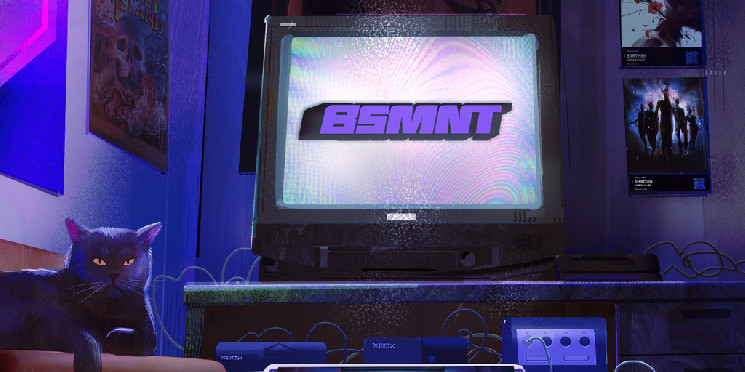
The launches of B3 and BSMNT.fun come as Coinbase’s Base network starts to engage with crypto gaming more. In March, the exchange offered free items and currency for Ethereum trading card game Parallel. And just in the last few weeks, Atari launched a retro arcade on the layer-2 network with players competing to win prizes via a weekly leaderboard.
Edited by Andrew Hayward

 decrypt.co